D-Bench is the result of a university project focused on universal design, with the goal of creating a bench that is accessible to everyone. The concept takes shape as a three-zone modular bench, each section designed for the needs of different users, with special consideration for its placement in the subway environment.
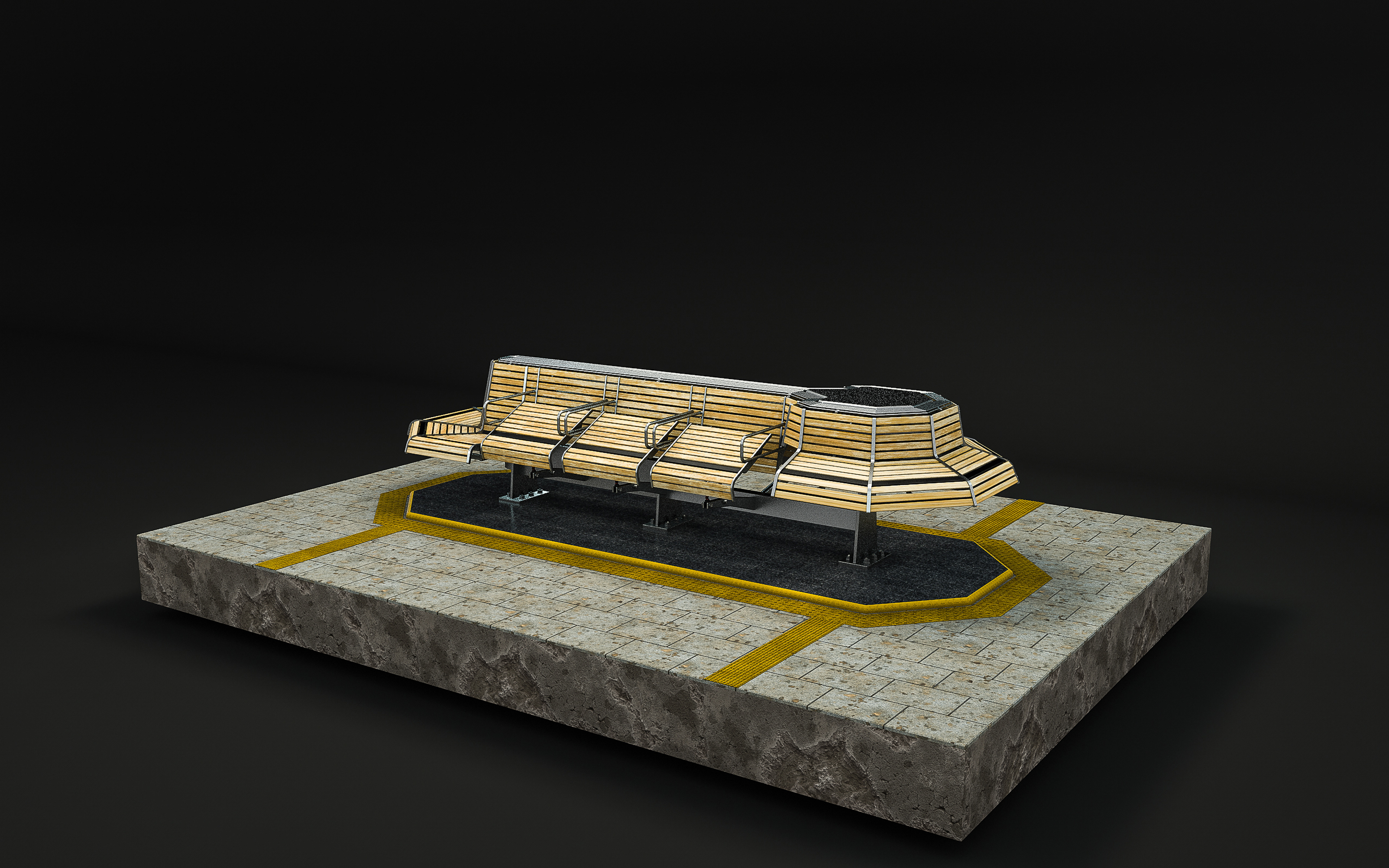
The first zone is designed for sighted and blind users with normal mobility: its raised seat allows people to rest while staying ready to stand quickly when the train arrives. The higher seat also makes it easier for blind users to locate, supported by tactile floor paths, while a braille-engraved slat signals the seat’s presence.
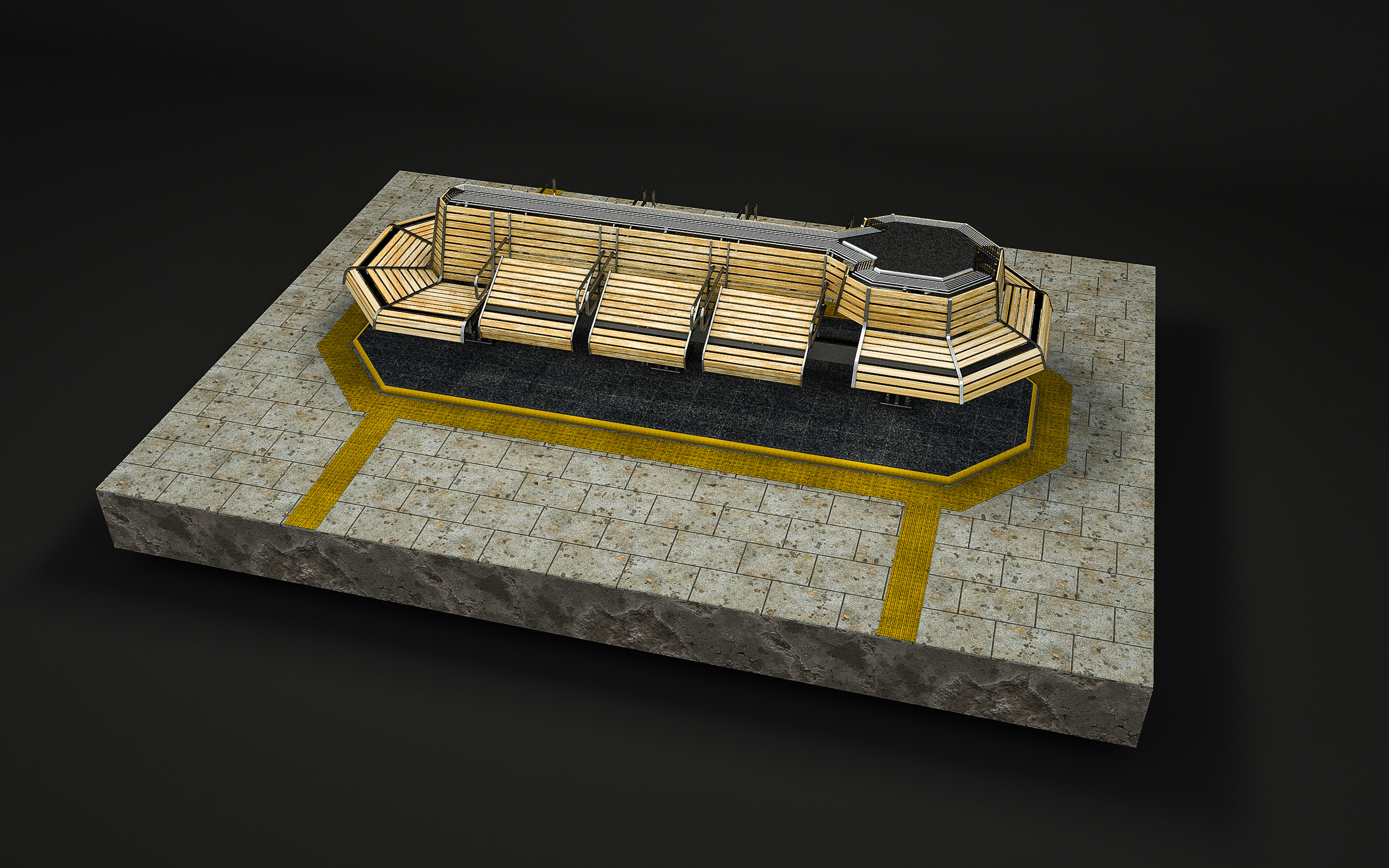
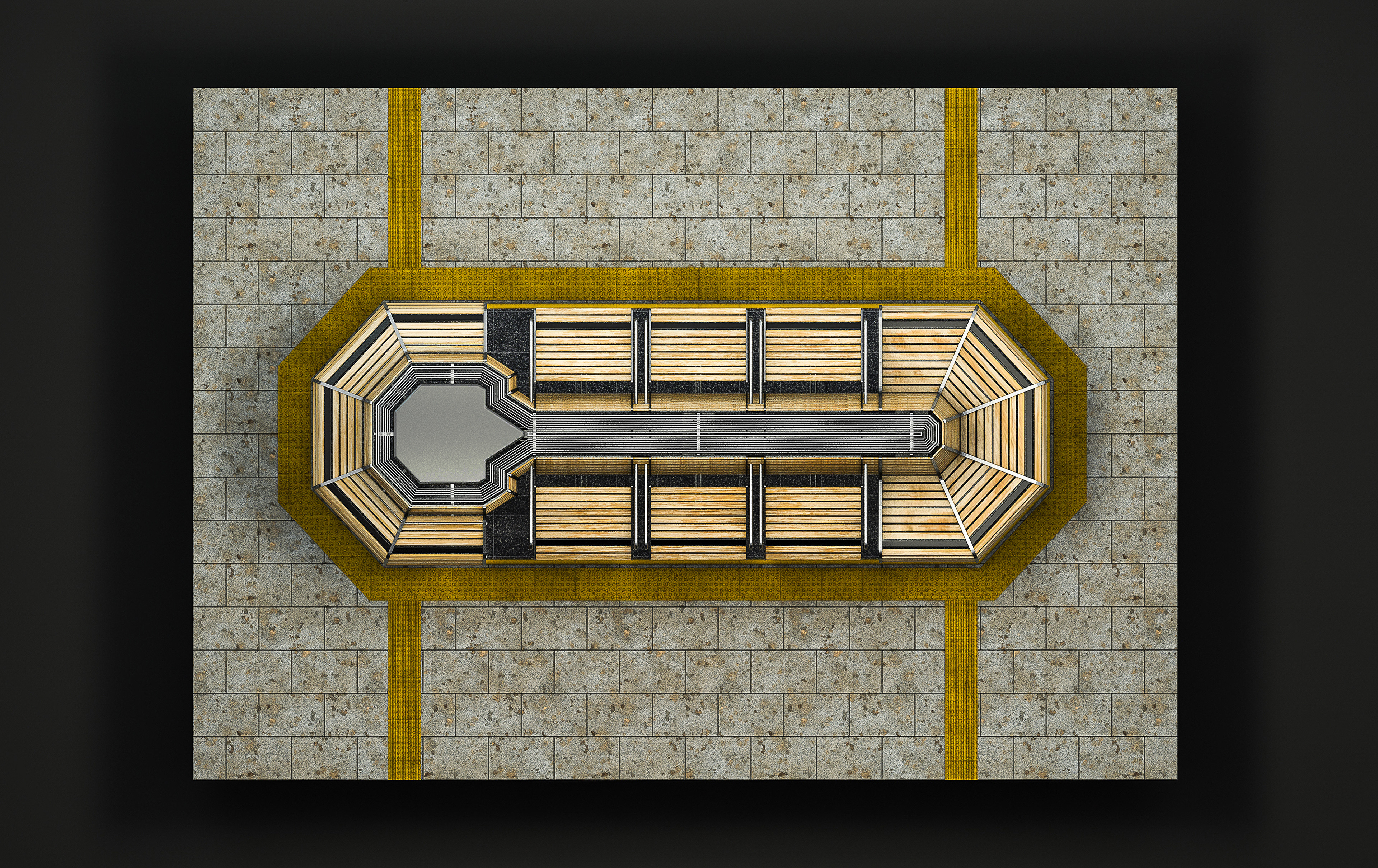
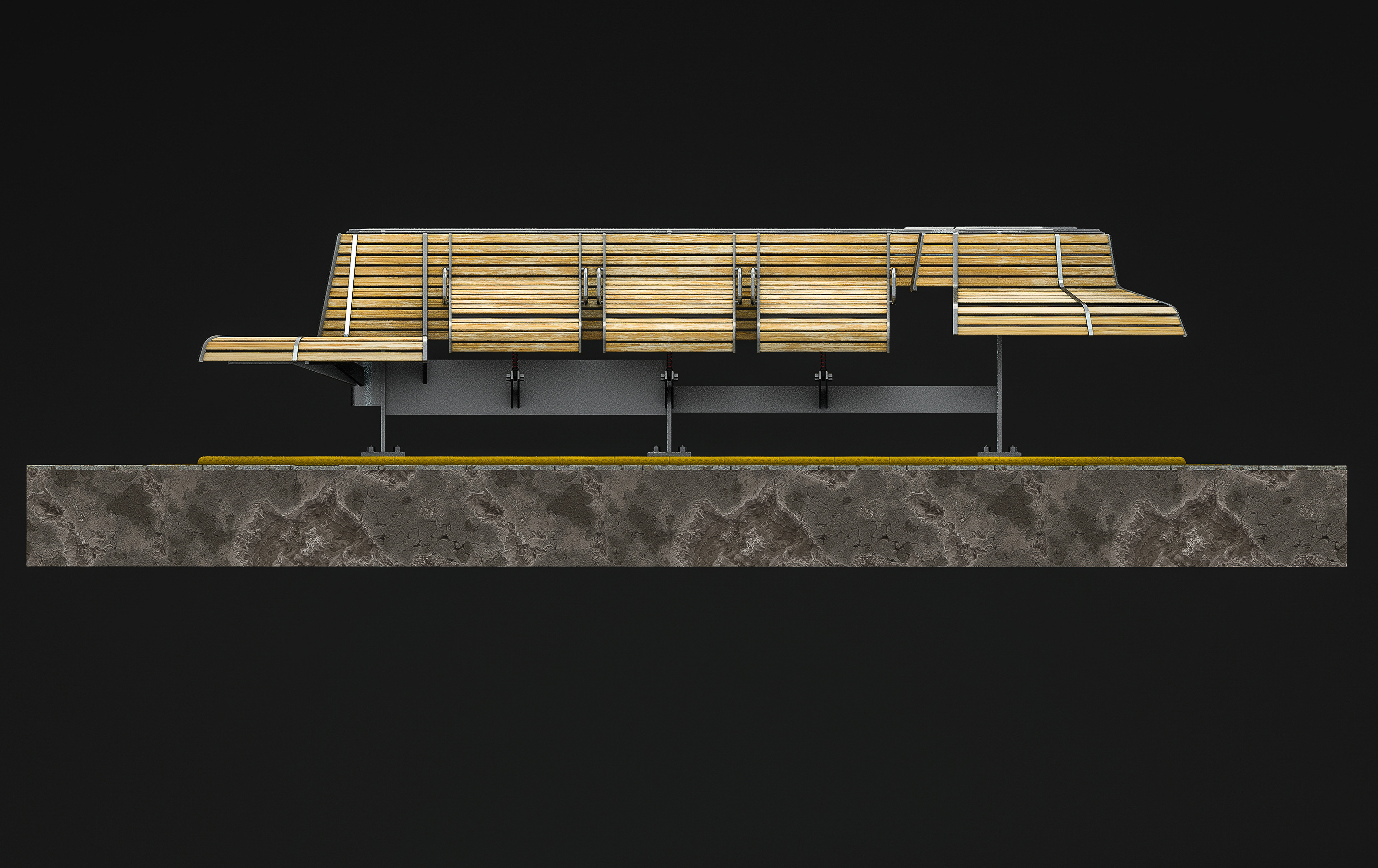
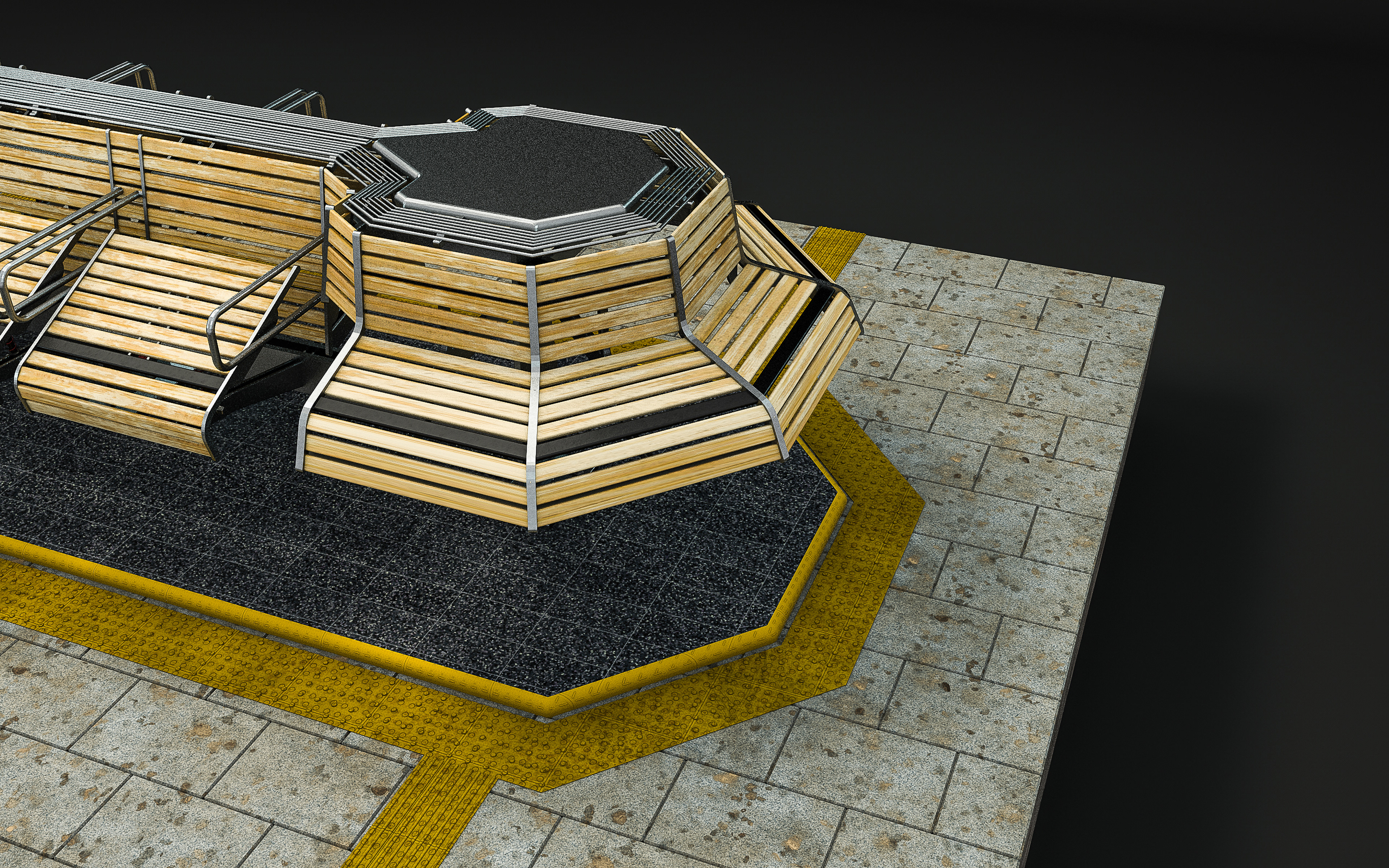
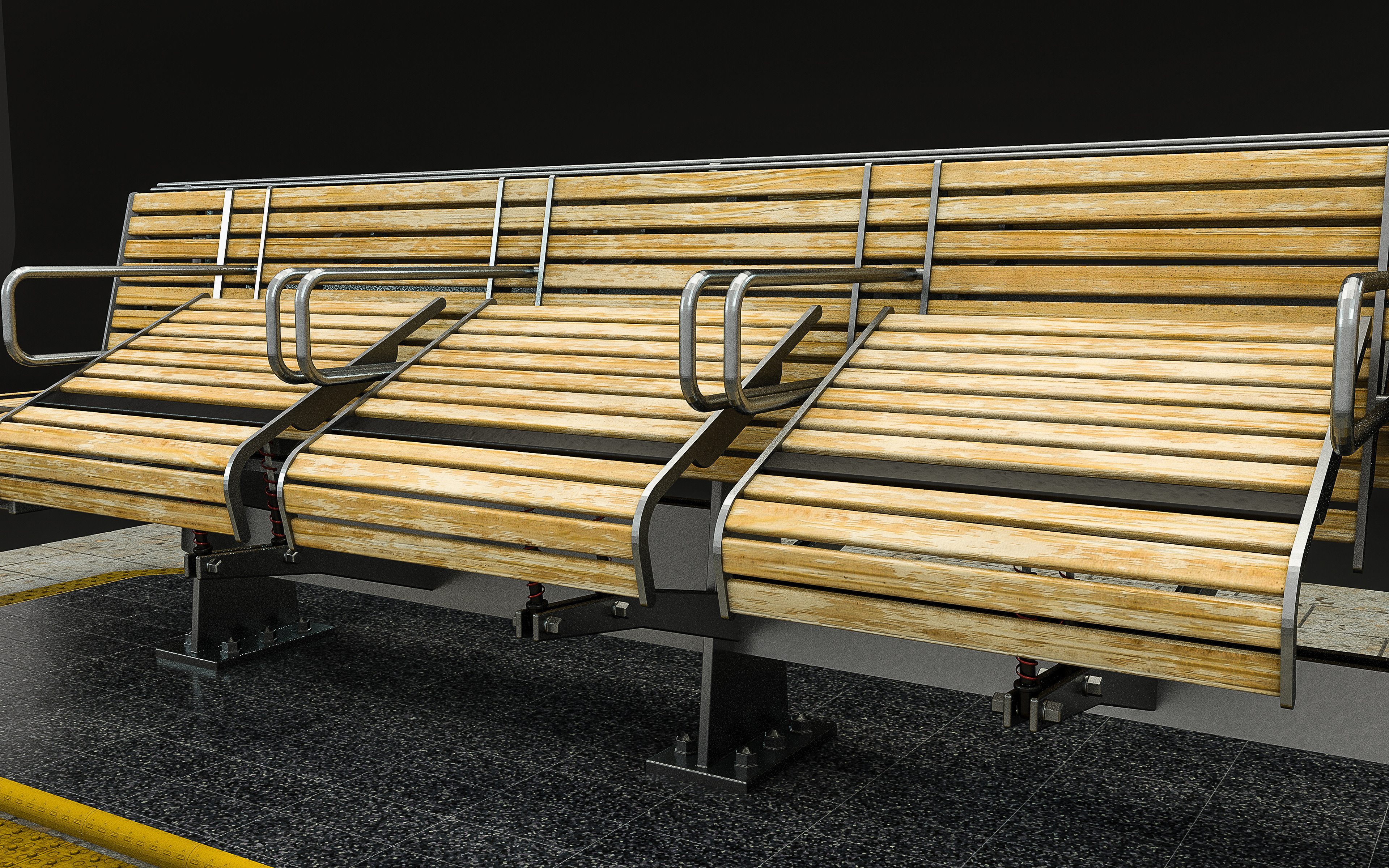
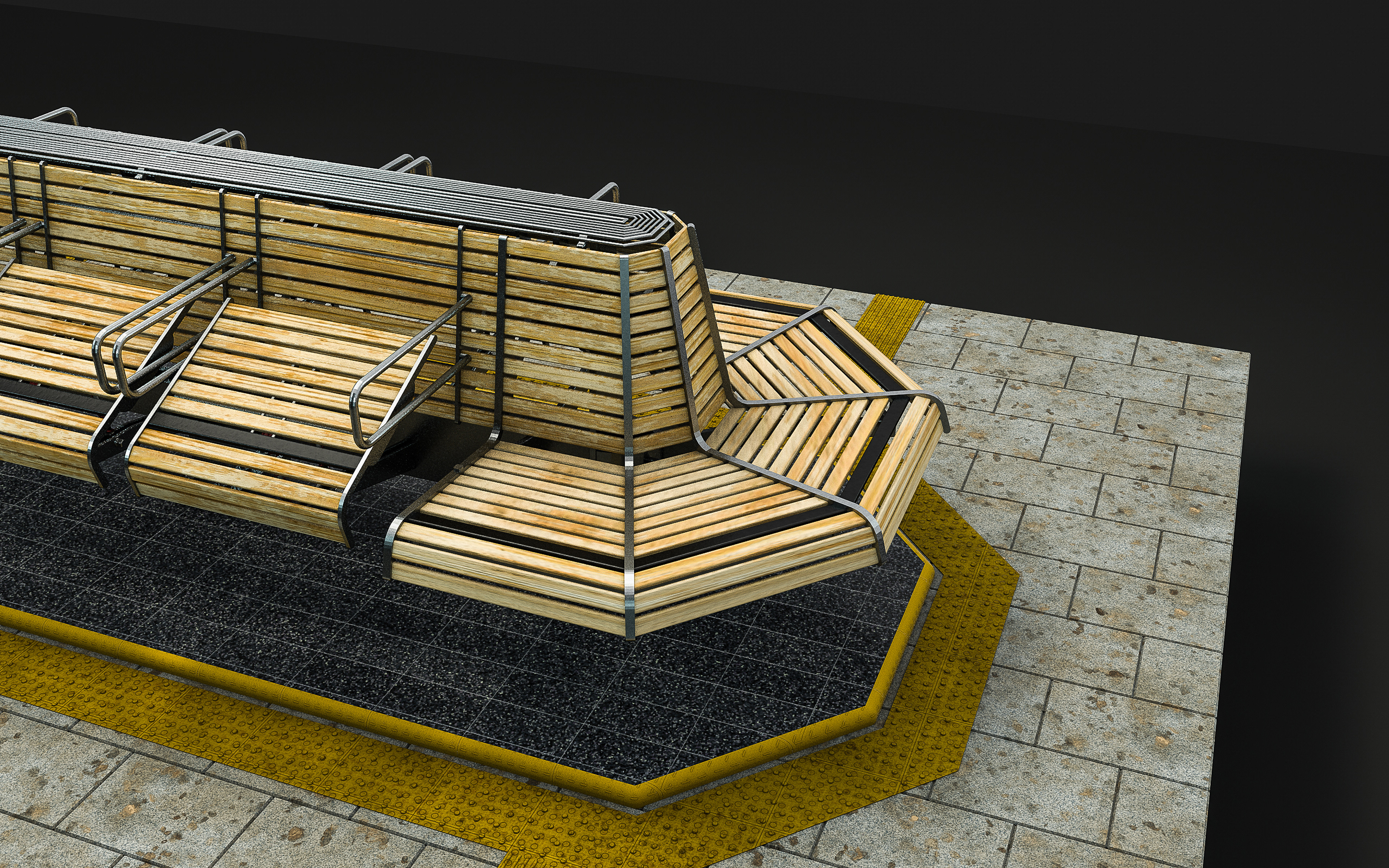
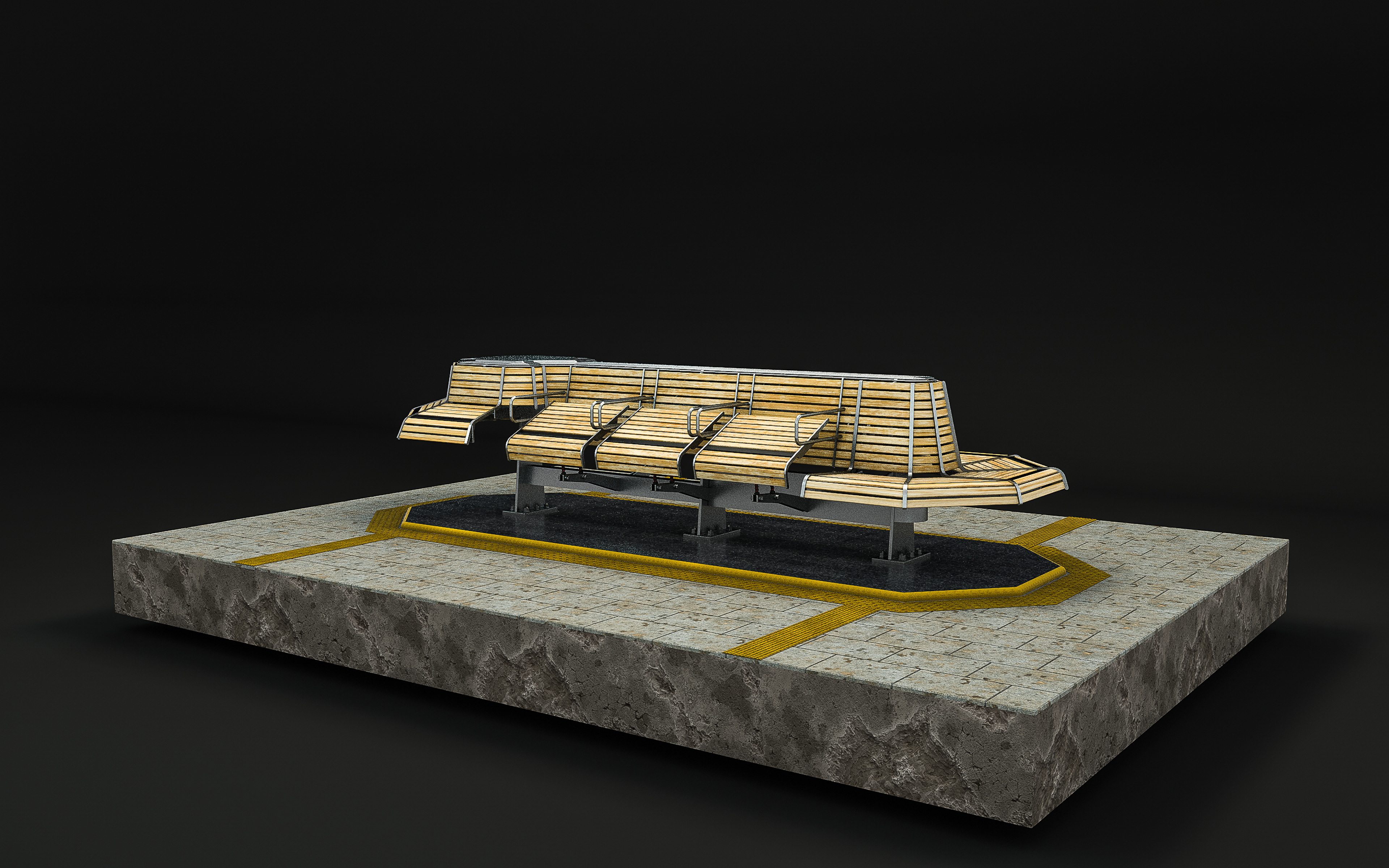
The first zone is designed for sighted and blind users with normal mobility: its raised seat allows people to rest while staying ready to stand quickly when the train arrives. The higher seat also makes it easier for blind users to locate, supported by tactile floor paths, while a braille-engraved slat signals the seat’s presence.
The second zone serves elderly users, overweight individuals, and those with reduced mobility. A system of hydraulic pistons assists both sitting and standing, cushioning the descent and preventing heavy impacts. The system is carefully calibrated to provide support without being excessive, ensuring accessibility for all users.
The third zone is designed for families, children, and travelers with bags or backpacks. Without armrests, it offers more room for luggage, while the slightly reclined seat helps prevent children from slipping forward.
Additional features include a concrete base to assist blind users in orientation and a black braille slat that contrasts with the light wooden slats, improving visibility for people with low vision. Together, these elements highlight a thoughtful approach to inclusive and tactile design.